
BABYLON — THE CITY OF KINGS AND WONDERS
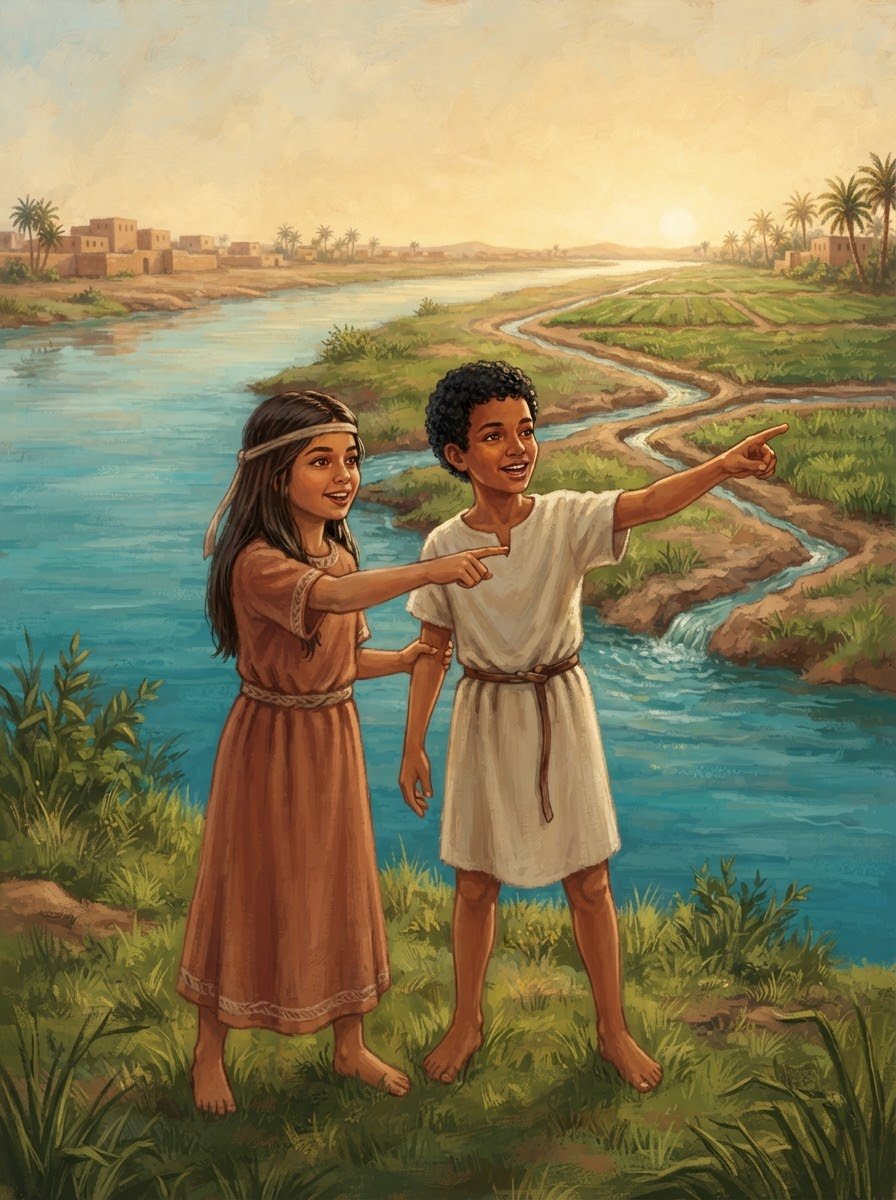
Between the great Tigris and Euphrates rivers lay ancient Mesopotamia, a land nurtured by silt and sun. Here, early farming communities dug irrigation canals and built bustling settlements. Out of these fertile riverbanks arose Babylon, a modest city that would grow into the magnificent, beating heart of an empire.
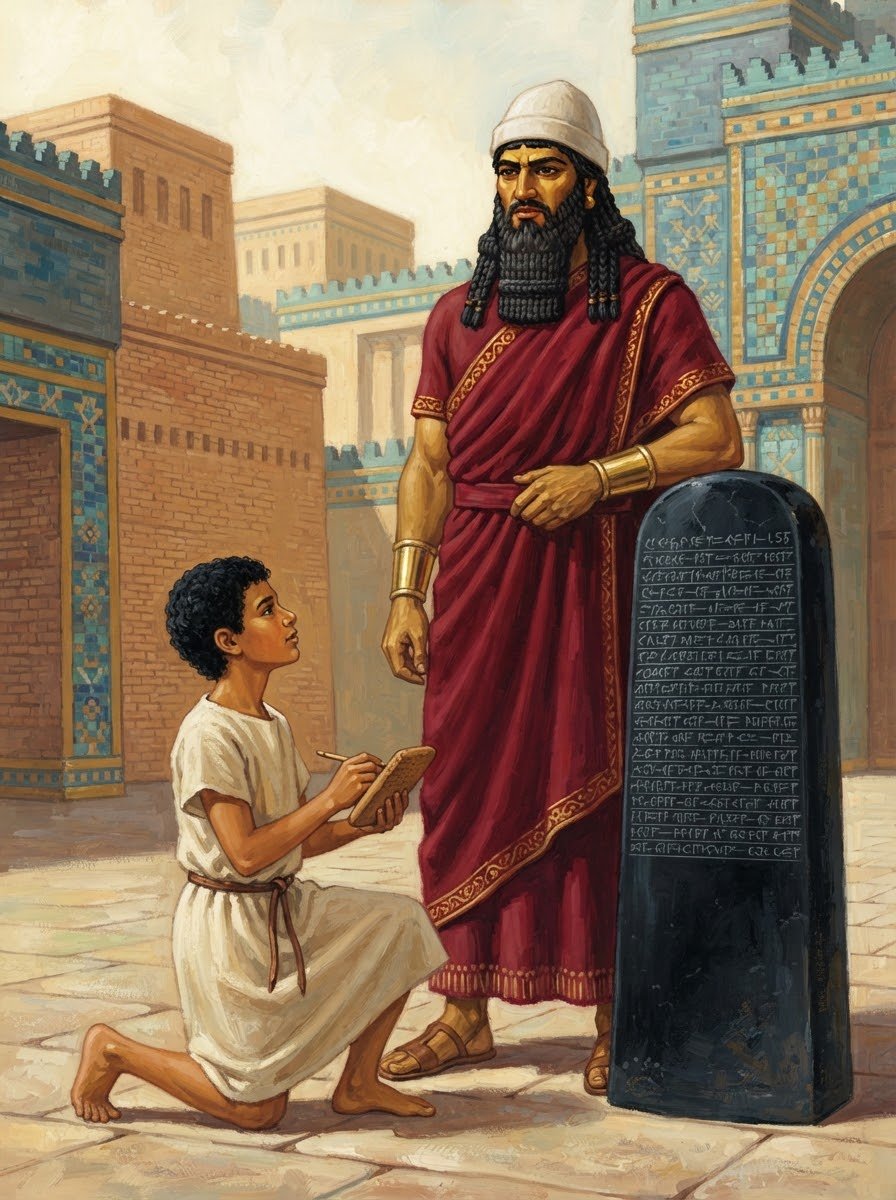
In the eighteenth century BCE, King Hammurabi united southern Mesopotamia into a powerful kingdom. To maintain order, he compiled nearly three hundred written legal decisions onto a monumental black basalt stela. These public laws established clear standards of justice across social classes, governing trade, farming, property rights, and family life.
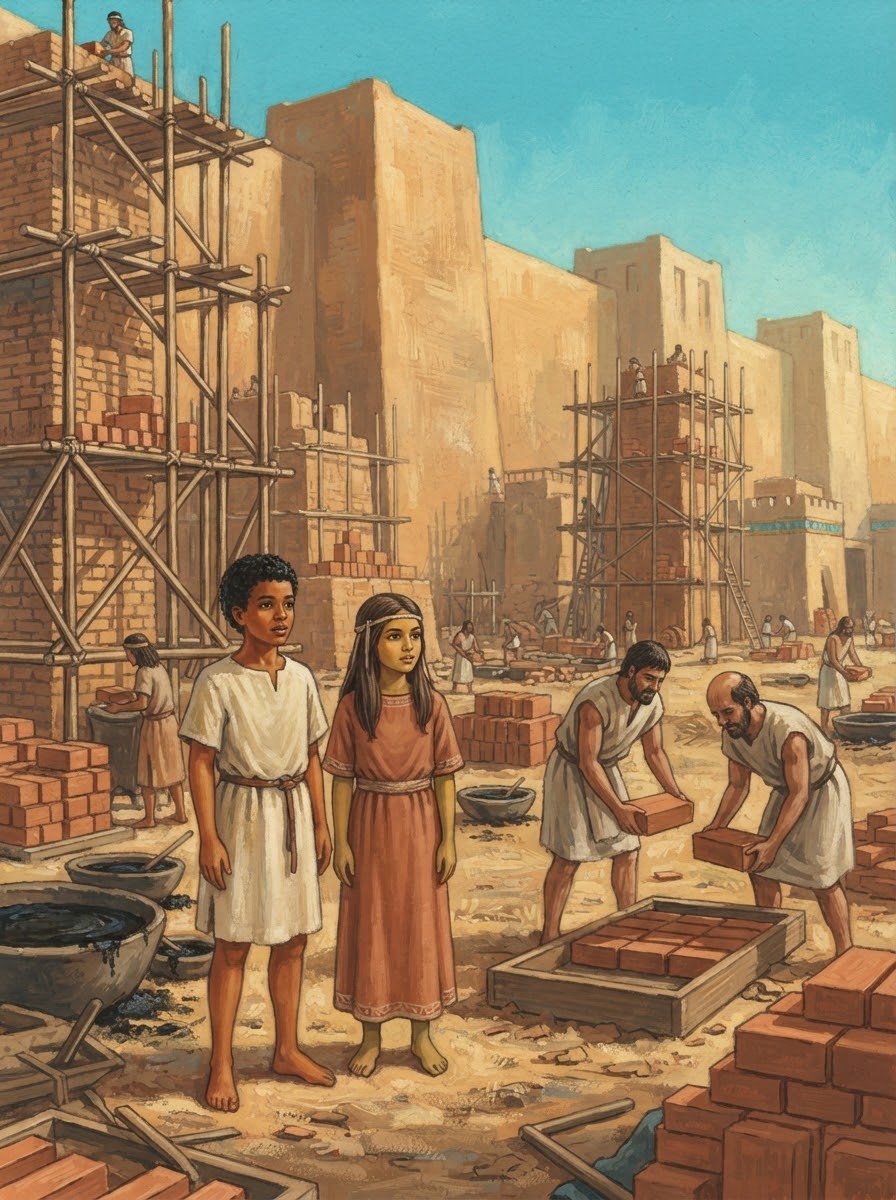
Lacking abundant timber and natural stone, Babylonian architects mastered the art of building with earth. Craftsmen produced millions of sun-dried and kiln-fired clay bricks, binding them with bit-umen mortar. With these humble materials, they constructed massive double city walls, soaring defensive towers, monumental temples, and grand urban avenues.
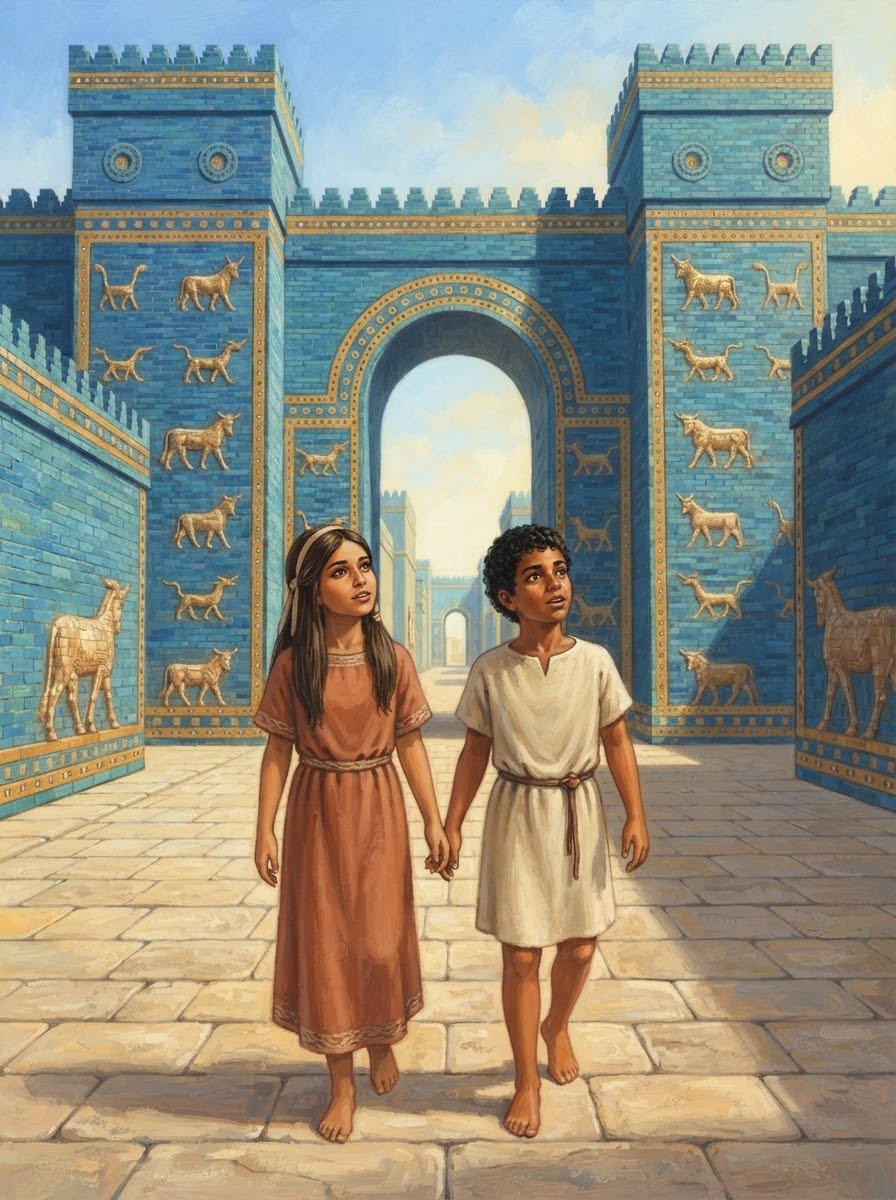
Rebuilt during the Neo-Babylonian era, the majestic Ishtar Gate formed the main northern entrance to the inner city. Its soaring outer walls were clad in shimmering lapis-blue glazed bricks, decorated with raised golden relief sculptures of bulls and dragons that guarded the grand Processional Way during sacred festivals.
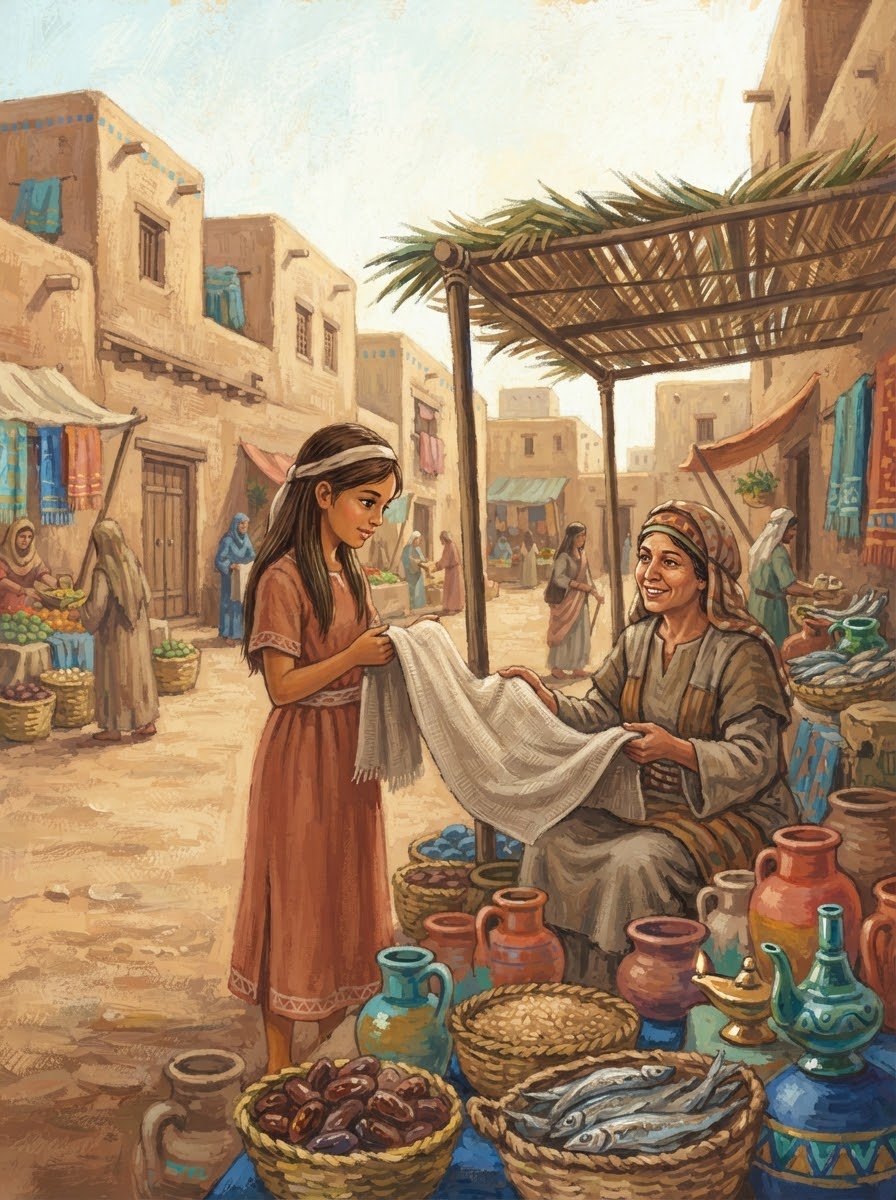
Life inside Babylon was vibrant and diverse. Families lived in two-story flat-roofed mudbrick houses surrounding quiet inner courtyards. Citizens enjoyed meals of barley bread, lentils, dates, and fish. In lively neighborhood bazaars, skilled artisans spun linen textiles, hammered bronze cookware, and crafted glazed ceramic oil lamps for everyday household use.
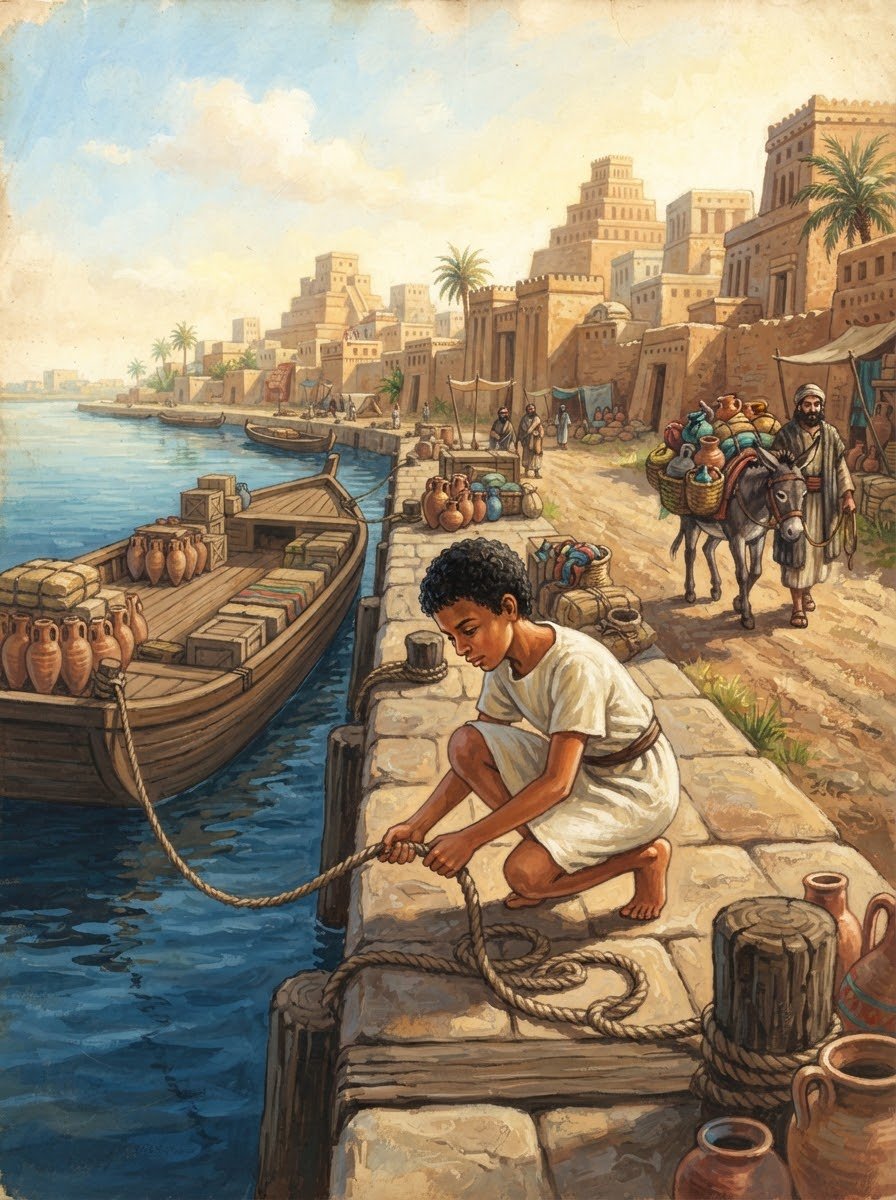
International trade routes connected Babylon to distant lands across the Near East. Merchants navigated river barges along the Euphrates and led donkey caravans across arid trade paths. They exchanged abundant Mesopotamian grain, sesame oil, and fine textiles for precious foreign timber, copper ore, silver, and lapis lazuli stones.
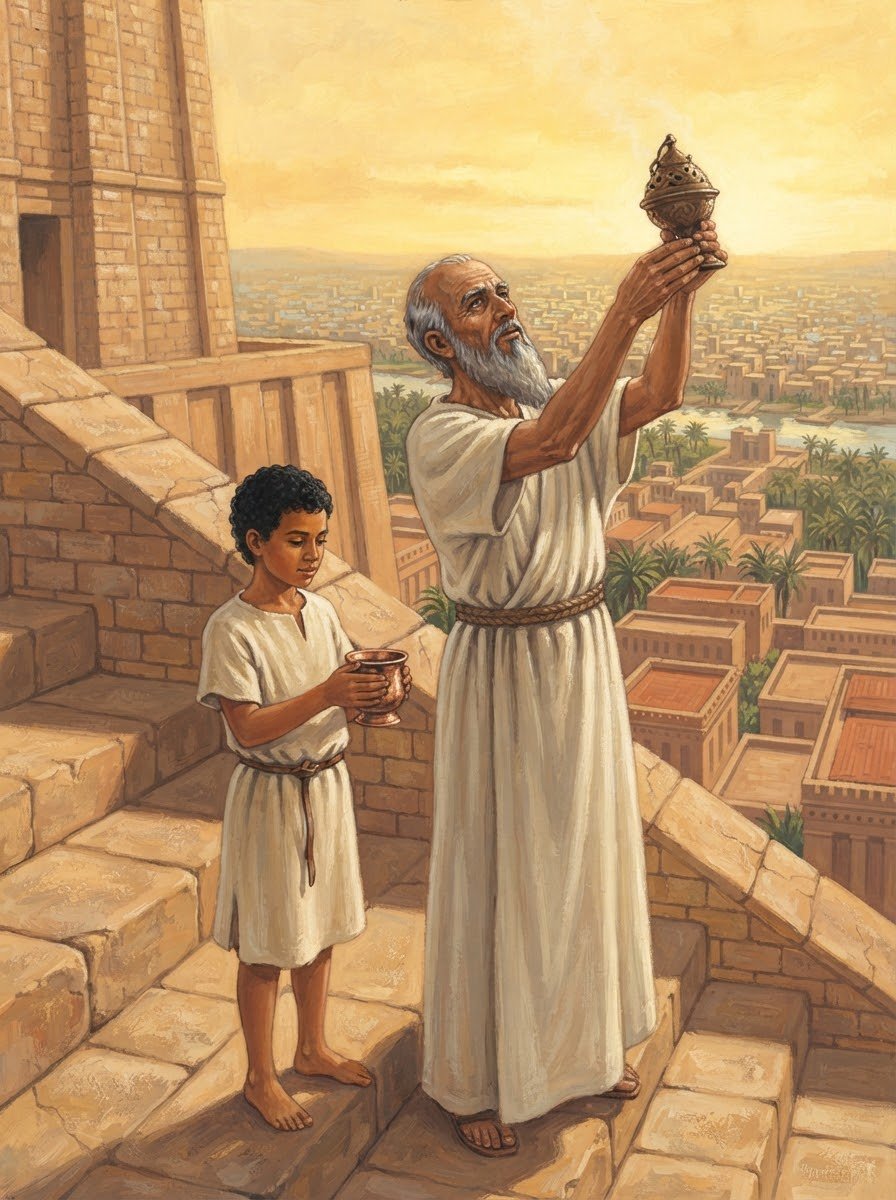
Religion was central to Babylonian culture, centered on Marduk, the supreme patron deity of the city. At the heart of the religious district stood Etemenanki, a colossal seven-tiered ziggurat. Priests ascended its monumental staircases to perform sacred rituals and present offerings inside the gilded sanctuary at its summit.
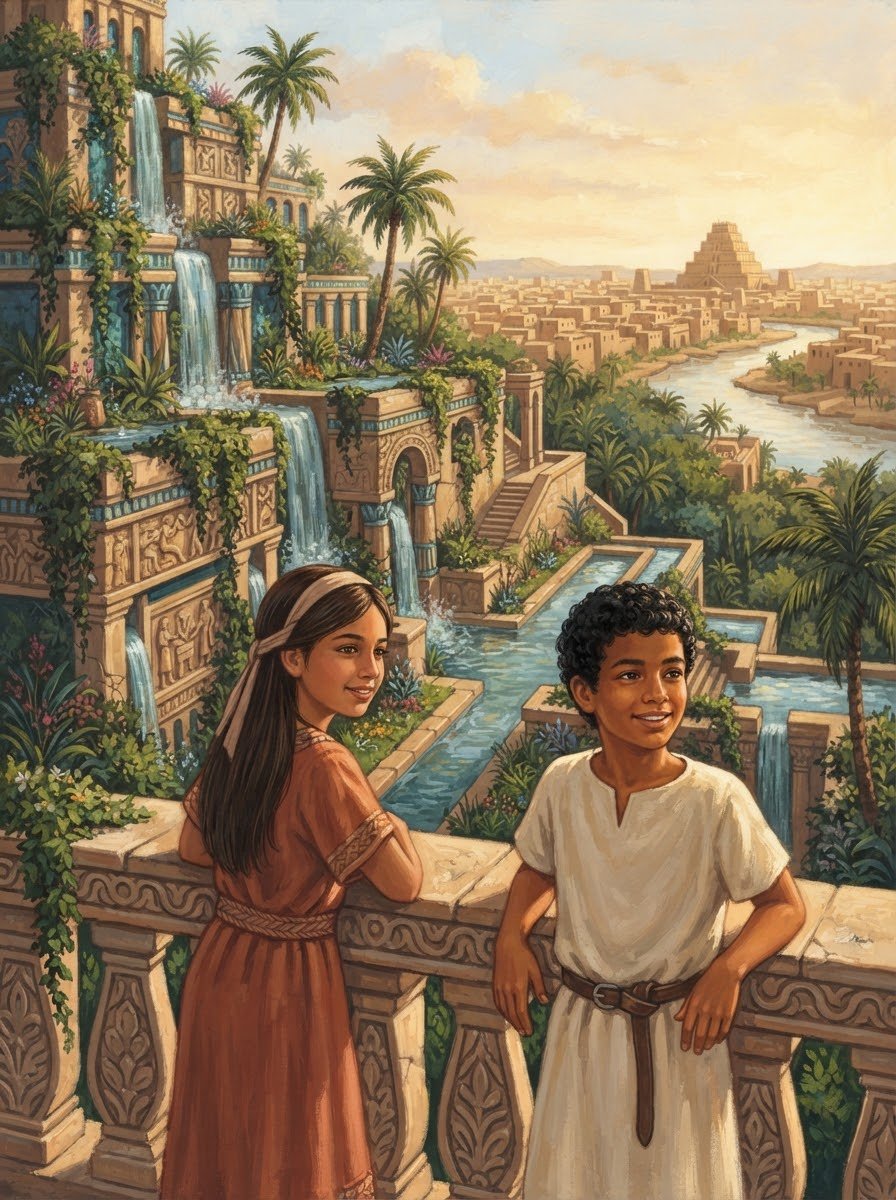
According to classical ancient legends, the Hanging Gardens were a breathtaking wonder featuring vaulted green terraces filled with exotic trees, cascading waterfalls, and fragrant flowers. Though widely celebrated by later historians, modern scholars continue to debate whether this botanical engineering marvel existed in Babylon or neighboring Nineveh.
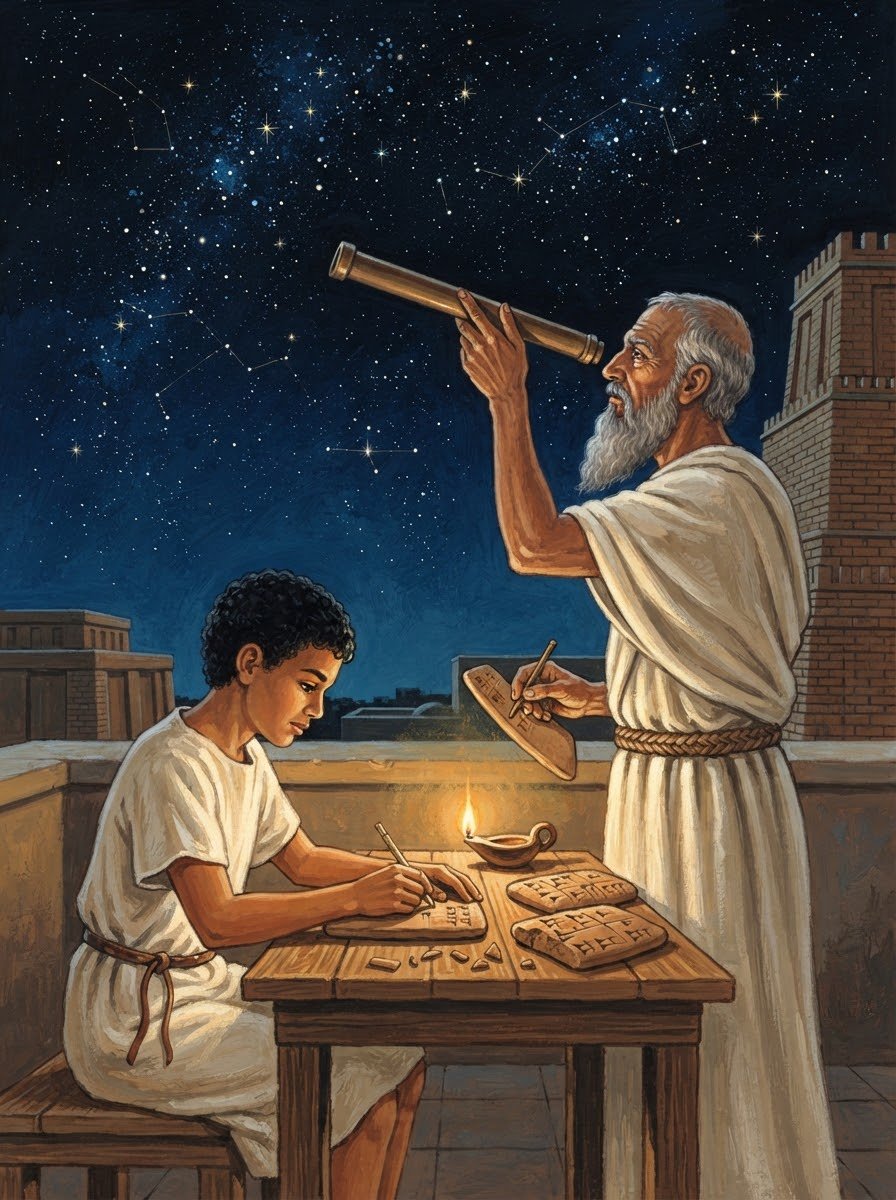
Babylonian priests were master mathematicians and astronomers who tracked the night sky from temple towers. Using a sexagesimal base-60 numerical system—which gave modern society the sixty-minute hour—they mapped constellations, predicted lunar eclipses, and meticulously recorded complex planetary orbits on durable clay cuneiform tablets.
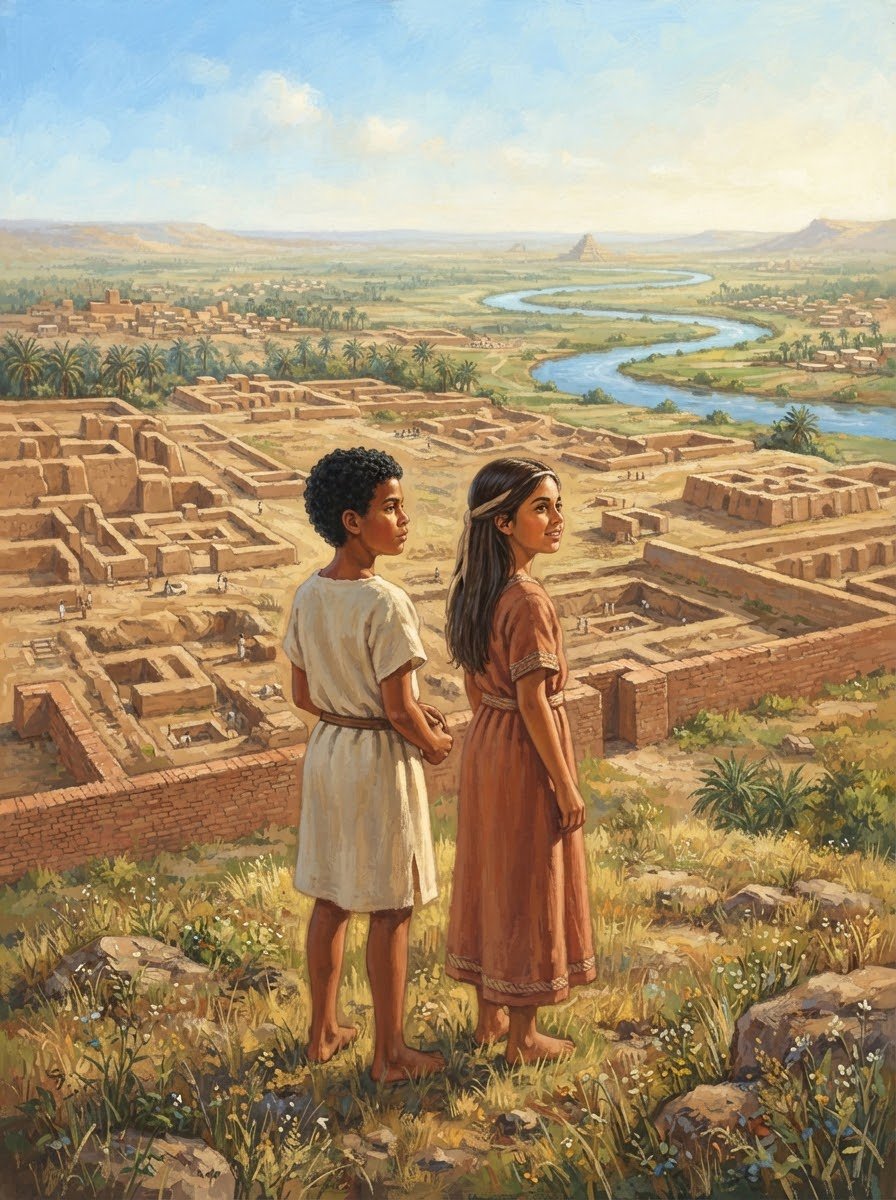
In 539 BCE, Persian king Cyrus the Great captured Babylon, ending its era as an independent Mesopotamian kingdom. Although the great metropolis eventually transformed into quiet archaeological mounds over centuries, its monumental legacy in written law, urban architecture, mathematics, and astronomy continues to inspire wonder across the modern world.