
The Fundamental Unit of Life: Cells
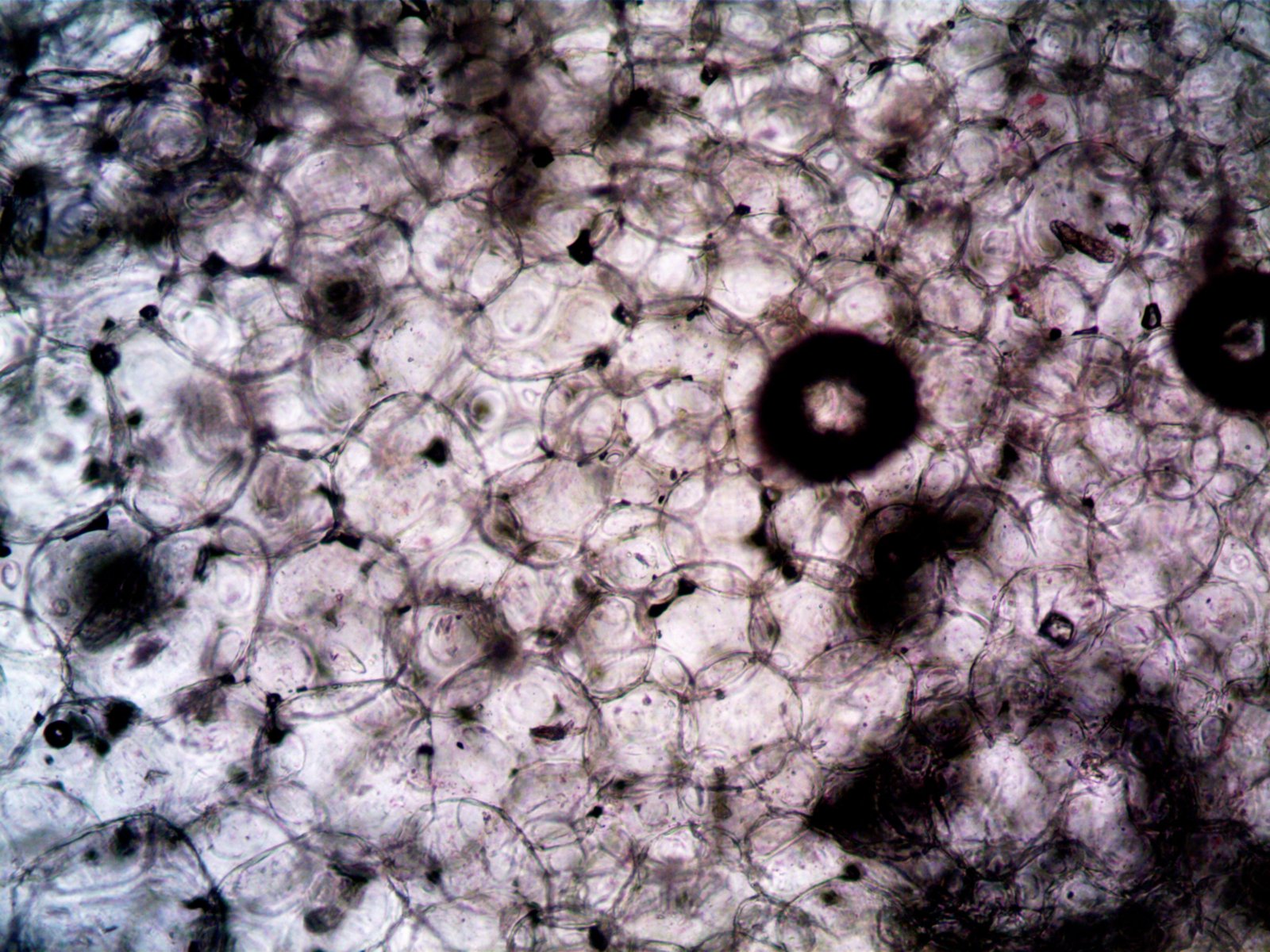
The Discovery of Cells
Robert Hooke first discovered cells in 1665 using a primitive microscope. Today, we know the cell is the fundamental organisational unit of life. While some organisms like Amoeba are unicellular, complex life forms are multicellular.
Cell Structure
A typical cell is enclosed by a plasma membrane made of lipids and proteins. This selectively permeable membrane regulates the movement of materials. Plant cells also have a rigid cell wall composed of cellulose. Inside, the nucleus acts as the control center, containing DNA, while the cytoplasm houses various organelles.
Essential Cell Organelles
Organelles perform specialized functions:
- Endoplasmic Reticulum (ER): Intracellular transport and manufacturing surface.
- Golgi Apparatus: Modifies, packages, and stores products.
- Lysosomes: The cell's waste disposal system (suicide bags).
- Mitochondria: The powerhouse of the cell, generating ATP.
- Plastids: Found in plants (e.g., chloroplasts for photosynthesis).
Discussion 0
Leave a CommentNo comments yet
Be the first to share your thoughts on this story!
Leave a Comment
Join the conversation and share your insights.